From Chef to Business Leader: Leadership Beyond the Kitchen
From Chef to Business Leader: Leadership Beyond the Kitchen
For many years, chefs were mainly recognized for their culinary skills, creativity, and ability to deliver exceptional dishes. Today, however, the hospitality industry has evolved significantly, and the role of an Executive Chef has expanded far beyond the kitchen.
Modern culinary leaders are now responsible not only for food quality, but also for operations, team management, financial performance, production systems, staff development, and business growth.
The transition from chef to business leader is one of the most important transformations in today’s hospitality industry.
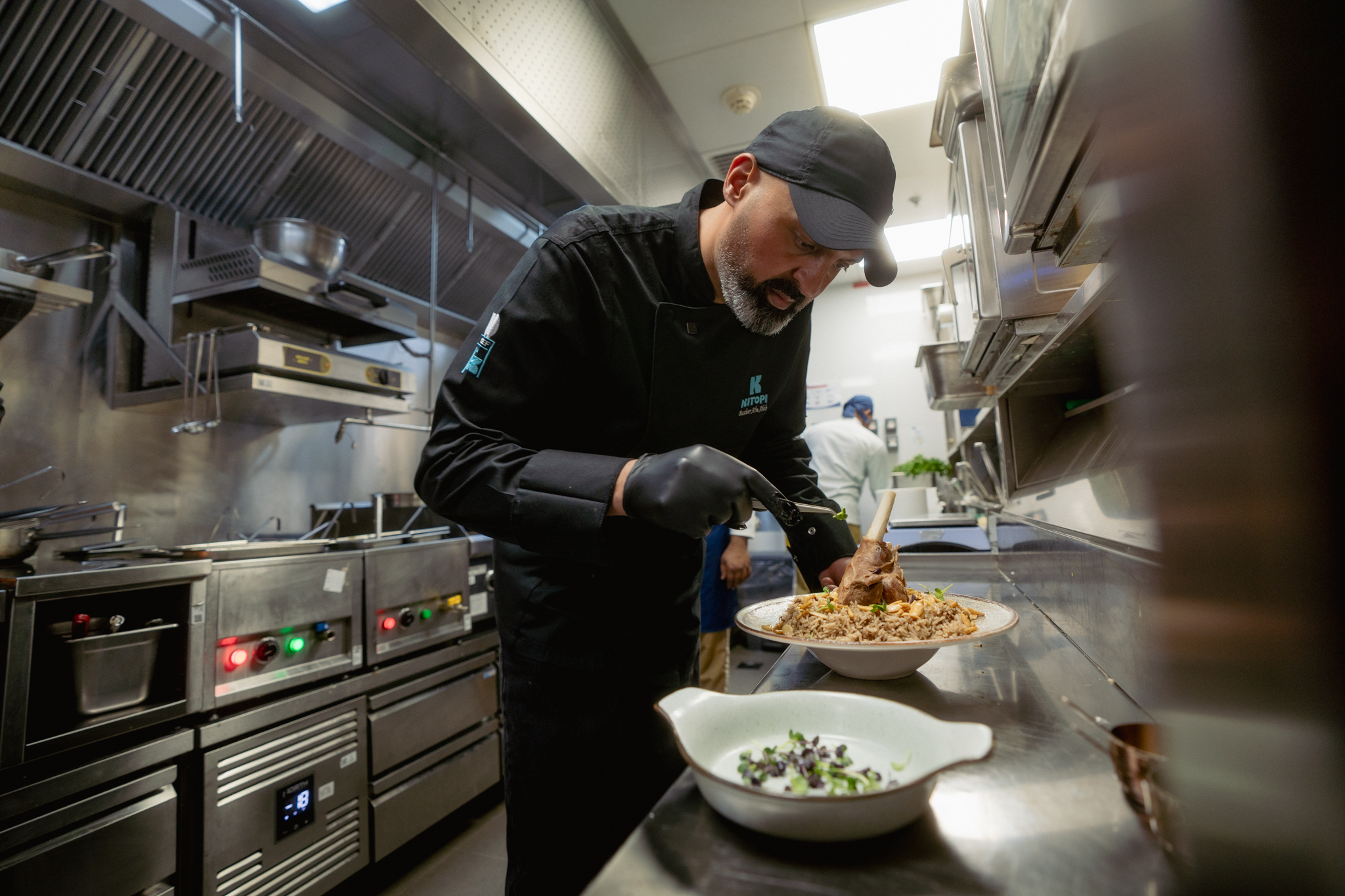
In large-scale operations, kitchens function as complete operational systems. Managing multiple brands, high production volumes, and large teams requires discipline, leadership, structure, and strong decision-making abilities.
A successful kitchen operation is not built only on recipes. It is built on systems, consistency, communication, and accountability.
As operations grow, many kitchens begin facing challenges such as inconsistent food quality, communication gaps, staff shortages, production delays, rising costs, and operational pressure. Without strong leadership and proper systems, kitchen performance can quickly decline during expansion.
One of the biggest responsibilities of modern culinary leaders is maintaining consistency while scaling operations.
Executive chefs today must understand both the culinary and business sides of hospitality. They need to manage food costs, supplier relationships, manpower planning, operational efficiency, training systems, and customer expectations — all while maintaining high culinary standards.
Leadership in hospitality is no longer limited to creativity alone. It requires emotional intelligence, strategic thinking, operational awareness, and the ability to lead teams under pressure.
In my experience managing multi-brand culinary operations, I have learned that success comes from building strong systems, empowering teams, and creating a culture of discipline, responsibility, and continuous improvement.
Training also plays a major role in operational success. Investing in people, developing young chefs, and creating future leaders is one of the strongest foundations for long-term growth in hospitality.
Technology has also become an essential part of modern kitchen leadership. Production systems, inventory management, food safety monitoring, reporting tools, and operational tracking now play a major role in maintaining consistency and efficiency across multiple locations.
The future of hospitality belongs to leaders who can combine culinary expertise with operational and business knowledge.
Today’s Executive Chef must think beyond the kitchen and become a complete business leader capable of driving both culinary excellence and operational success.
Cooking may build a chef’s reputation, but leadership builds long-term impact.